
Vaccinations
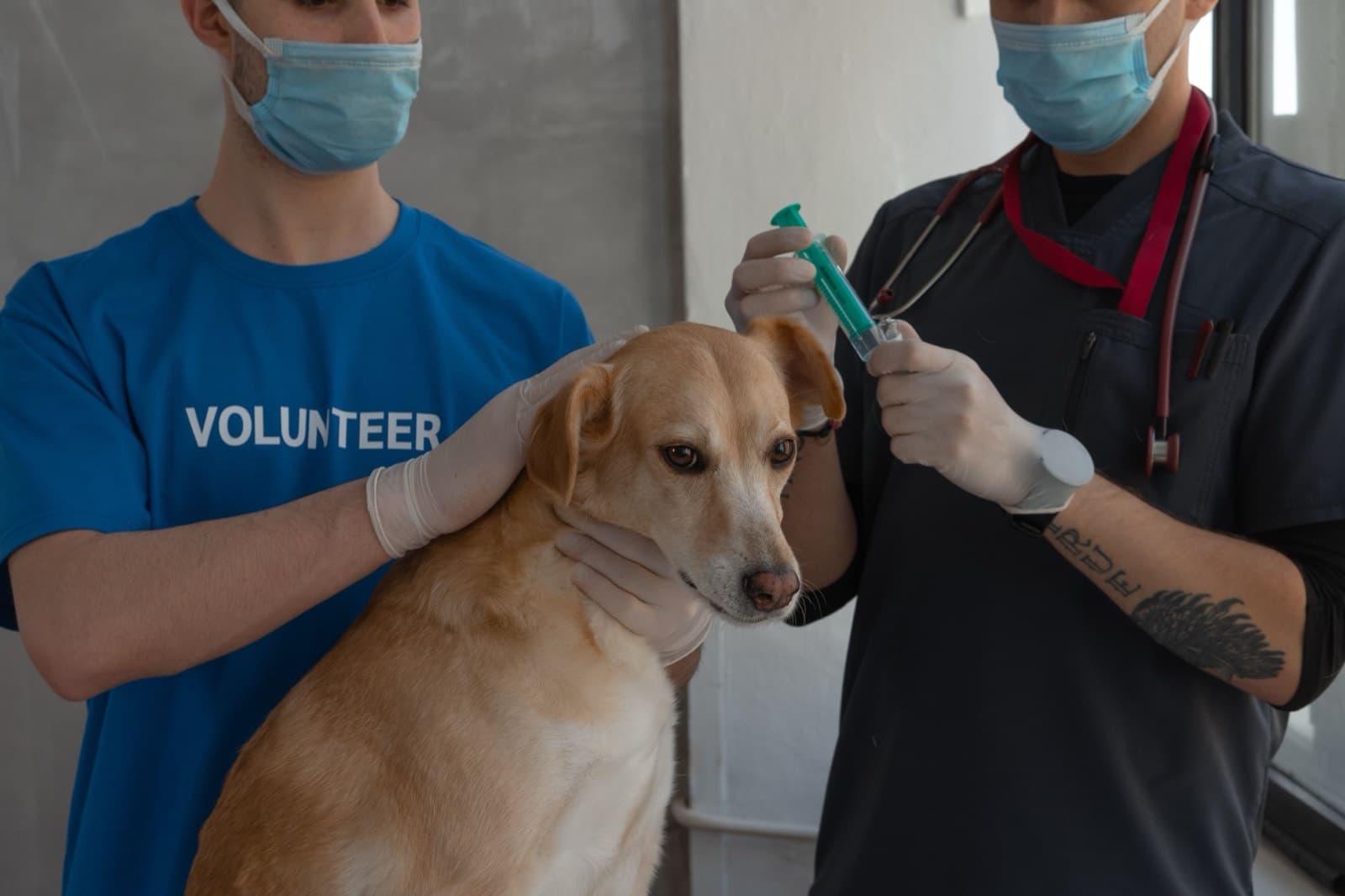
Vaccinations are a routine part of looking after your dog's health. They protect against infectious diseases that can make dogs seriously ill and, in some cases, can be fatal.
They're particularly important for puppies, but vaccination doesn't end once a dog reaches adulthood. Dogs need ongoing protection throughout their lives, with the exact schedule depending on their age, vaccination history, lifestyle and the vaccines being used.
Here's what dog owners need to know.
Why do dogs need vaccinations?
Vaccines prepare your dog's immune system to recognise and respond to particular infections.
This matters because dogs can be exposed to infectious diseases in plenty of everyday places. Contact with another dog is one way infection can spread, but it isn't the only one.
Some diseases can be picked up from contaminated environments, objects or bodily waste. Parvovirus, for example, can survive in the environment for a long time and can be spread through infected faeces and contaminated surfaces.
That means avoiding obviously sick dogs isn't enough to keep an unvaccinated dog protected.
Vaccination also helps reduce the spread of disease through the wider dog population.
What is a C3 vaccination?
If you've owned a dog before, you've probably heard your vet mention a C3 vaccine.
C3 protects against three serious diseases:
Canine parvovirus
Often shortened to "parvo", canine parvovirus is a highly contagious disease that particularly affects the gastrointestinal system.
It can cause severe vomiting, diarrhoea, loss of appetite, weakness and dehydration. Young and incompletely vaccinated dogs are particularly vulnerable, and severe cases can be fatal.
Parvovirus is also remarkably good at surviving in the environment, which makes vaccination especially important.
Canine distemper
Canine distemper is a contagious viral disease that can affect several parts of a dog's body, including the respiratory, gastrointestinal and nervous systems.
Dogs that become infected can become seriously unwell, and neurological problems can occur as the disease progresses.
Canine infectious hepatitis
Canine infectious hepatitis is caused by canine adenovirus and can affect organs including the liver.
The severity of illness varies, but serious cases can result in significant illness and can be fatal.
These three diseases are considered core vaccination targets for dogs. Core vaccines are those recommended broadly because they protect against serious diseases with widespread risk.
What about C5 and kennel cough?
You may also hear vets talk about a C5 vaccination.
A C5 generally includes the protection provided by a C3 along with vaccination against organisms associated with canine infectious respiratory disease, commonly known as kennel cough or canine cough.
Despite the name, dogs don't have to stay in a kennel to catch it.
Respiratory infections can spread anywhere dogs come into close contact with each other. Depending on your dog's lifestyle, that might include boarding kennels, doggy daycare, training classes or other environments where lots of dogs mix.
Some boarding and group-care facilities also have vaccination requirements before they'll accept a dog.
Your vet can recommend the appropriate protection based on where your dog goes and the dogs they're likely to encounter.
Are there other vaccinations dogs might need?
Yes.
Some vaccinations are considered non-core, which means they're recommended according to an individual dog's risk rather than routinely for every dog.
One example is leptospirosis, a bacterial disease that can cause serious illness, including kidney and liver damage.
Whether your dog needs additional vaccines can depend on factors such as where you live, where you travel and your dog's lifestyle.
This is one reason vaccination decisions are best made with your vet rather than simply following the same schedule as another dog.
When should puppies be vaccinated?
Puppies need a series of vaccinations during their first few months of life.
Very young puppies initially receive some protection through antibodies from their mother. Those antibodies gradually decline, but the timing differs between puppies. They can also interfere with a puppy's response to vaccination while they're still present.
Giving a series of vaccinations helps cover this period as maternal protection disappears and the puppy develops its own immune response.
A puppy vaccination program will usually begin at around six to eight weeks of age, with further doses given at intervals over the following months.
The exact timing can vary depending on the vaccine and the puppy's circumstances, so follow the schedule given to you by your vet.
Can my puppy go outside before they're fully vaccinated?
This is a really common question, particularly when you've brought home a puppy who seems determined to explore everything.
Young puppies are still developing protection while completing their vaccination course, so exposure to places where infectious diseases may be present needs to be managed carefully.
That doesn't mean socialisation should simply be ignored until they're older. Early experiences are also important for a puppy's development.
Talk to your vet about how to balance the two. They can advise you about disease risk in your local area and ways your puppy can safely experience new people, environments, sounds and other dogs while their vaccination course is still underway.
Until your vet says otherwise, be cautious about high-risk environments where lots of unfamiliar dogs have been, particularly places where you can't know their vaccination status.
Do adult dogs still need vaccinations?
Yes.
Vaccination is an ongoing part of caring for your dog, although that doesn't necessarily mean every vaccine needs to be given every year.
Different vaccines can have different recommended intervals. Your dog's previous vaccination history, age, health, lifestyle and risk of exposure can also influence what your vet recommends.
If you're unsure when your dog was last vaccinated, check their veterinary records or speak with your vet.
This can be particularly important if you've taken responsibility for a dog with an unknown vaccination history. Your vet can recommend an appropriate vaccination plan based on the information available.
Are there side effects?
Most dogs handle vaccination well.
Some may be a little tired afterwards or experience mild discomfort around the injection site. These effects are generally short-lived.
More significant reactions are possible but uncommon. Your veterinary clinic can explain what to look out for after your dog's vaccination and when you should contact them.
If your dog has previously had a reaction to a vaccine or has an existing health condition, make sure your vet knows before they're vaccinated.
Why vaccination matters in dog rescue
In rescue, dogs can come from all sorts of backgrounds.
Some arrive with a complete veterinary history. For others, very little may be known about the care they've previously received.
Making sure dogs receive appropriate veterinary care and vaccination helps protect the individual dog and reduces the chance of infectious diseases spreading between dogs.
This is especially important when dogs may be moving through pounds, foster homes, veterinary clinics or other environments where they could encounter other dogs.
What about dogs adopted from Starting Over Dog Rescue?
Every dog adopted through Starting Over Dog Rescue is up to date with their vaccinations before going to their new home.
They're also desexed and microchipped.
Once you've adopted, ask your foster carer or check your dog's records to find out when their next vaccination is due. From there, your regular vet can help you keep their vaccinations up to date throughout their life.
Talk to your vet about your dog's vaccination schedule
There isn't one vaccination schedule that suits every dog.
A puppy completing their first course of vaccinations has different needs from an adult dog with a well-documented vaccination history. A dog regularly attending daycare may also have different risks from one who rarely mixes with other dogs.
Your vet can look at your dog's age, health, vaccination history and lifestyle and recommend the vaccinations and timing that are appropriate for them.
Keeping a record of vaccinations and checking when the next one is due is a simple part of giving your dog the best protection you can.
Have a question we haven't answered?
We're a volunteer team and we're happy to help, whatever brings you here.