
Dog dental health
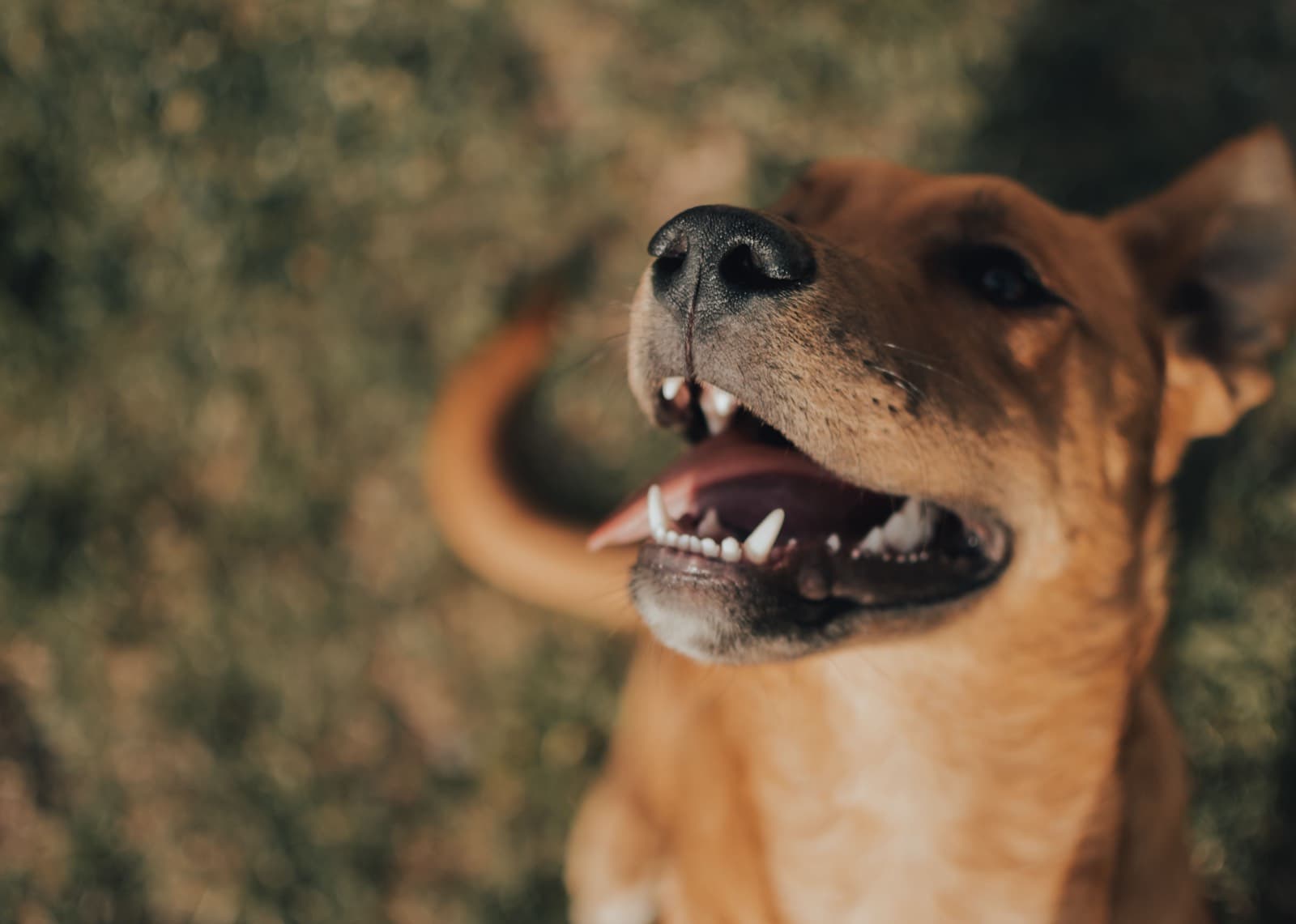
Looking after your dog's teeth is an important part of keeping them healthy, although it's something that's pretty easy to forget about.
Unlike vaccinations or flea treatments, there isn't always an obvious reminder that dental care is due. Problems can gradually develop over time, and dogs aren't able to tell us when a tooth is starting to hurt.
A little regular dental care at home, along with checks from your vet, can help keep your dog's mouth healthy and catch problems before they become more serious.
Why does dental health matter?
Just like us, dogs develop plaque on their teeth.
Plaque contains bacteria and builds up on the surface of the teeth. If it isn't removed, it can harden into tartar and contribute to inflammation and disease around the gums and structures supporting the teeth.
Over time, dental disease can become painful and may eventually result in loose or damaged teeth.
The tricky part is that dogs don't always make dental pain obvious. Some will continue eating even when there's a problem in their mouth, so it's worth checking their teeth regularly rather than waiting for them to show you something is wrong.
Signs your dog might have a dental problem
Bad breath is one of the easiest things to notice, particularly when your dog decides to yawn directly in your face.
Other signs can include:
- Yellow or brown tartar on the teeth
- Red, swollen or bleeding gums
- Increased drooling
- Difficulty eating or chewing
- Dropping food while eating
- Chewing predominantly on one side of the mouth
- Pawing or rubbing at the mouth
- Loose, damaged or missing teeth
- Reduced appetite
- Swelling around the mouth or face
- Becoming reluctant to have their mouth touched
Some dental problems won't cause obvious symptoms at home.
That's one reason having your dog's mouth checked as part of their regular veterinary care is worthwhile.
Brushing your dog's teeth
Regular tooth brushing is one of the best ways to manage plaque at home.
Use a toothbrush designed for dogs, or another option recommended by your vet, along with toothpaste made specifically for dogs.
Don't use human toothpaste. Some ingredients used in products made for people aren't suitable for dogs, and dogs aren't particularly good at following the instruction to spit it out.
If your dog has never had their teeth brushed before, don't expect to get through their entire mouth on the first attempt.
Start by getting them comfortable with you gently touching around their muzzle and lifting their lips. Reward them for staying relaxed and gradually progress to touching their teeth and gums.
You can then introduce dog toothpaste and eventually a toothbrush.
Keep sessions short and positive. A few seconds of successful brushing is much more useful than wrestling with your dog for several minutes and making them dread the sight of the toothbrush.
Starting this when a dog is young can make life easier, but adult dogs can learn to accept tooth brushing too.
How often should I brush my dog's teeth?
Ideally, tooth brushing should become a regular part of your dog's routine.
Plaque continually forms on teeth, so brushing frequently is more useful than an occasional big clean.
If daily brushing isn't realistic straight away, start with what your dog will comfortably tolerate and build from there. Your vet can show you how to brush effectively and help you put together a dental care routine that suits your dog.
What about dental chews and special diets?
There are dental chews, toys and specially formulated diets designed to help with dental care.
Some can be useful additions to your dog's routine, but products vary considerably. Ask your vet which options have good evidence behind them and are appropriate for your dog.
It's also worth remembering that handing your dog a dental chew occasionally doesn't necessarily replace brushing or veterinary dental care.
Whatever you give your dog to chew should also be appropriate for their size and chewing style.
Be careful with very hard chews
Dogs love chewing things, but harder isn't always better when it comes to their teeth.
Very hard objects can cause teeth to fracture. A broken tooth can expose sensitive structures inside the tooth and may be extremely painful, even if your dog doesn't make much fuss about it.
Keep an eye on what your dog likes to chew and avoid objects that could damage their teeth.
If you notice a chipped, cracked or broken tooth, have your vet take a look.
What happens during a veterinary dental?
If your vet finds signs of dental disease, they may recommend a professional dental procedure.
A proper veterinary dental involves much more than making the visible parts of the teeth look clean.
Your dog will usually need a general anaesthetic so the veterinary team can thoroughly examine their mouth and safely clean above and below the gum line. Depending on what they find, dental X-rays and other treatment may also be recommended.
Sometimes a damaged or badly diseased tooth needs to be removed.
It can sound alarming to hear that your dog needs an extraction, particularly if they seemed perfectly happy beforehand. Removing a painful tooth can make a big difference to their comfort, and dogs generally adapt very well when diseased teeth need to come out.
Your vet can explain what they find and what treatment your dog needs.
What about anaesthesia-free dental cleaning?
You may come across services offering to clean a dog's teeth without a general anaesthetic.
Removing visible tartar from the surface of a tooth doesn't allow for the same examination and treatment that can be performed during a veterinary dental procedure.
Dental disease can exist below the gum line where it can't be properly assessed or treated while a dog is awake.
If you're concerned about your dog's teeth, speak to your vet about the appropriate treatment rather than relying on a cosmetic clean.
Get your dog used to having their mouth checked
It's useful for dogs to be comfortable with someone gently looking at their teeth.
Start slowly, particularly with a rescue dog whose previous experiences you may not know.
You might begin by briefly touching the side of their muzzle and giving them a treat. Once they're comfortable with that, gradually work towards lifting their lip for a second or two.
There's no need to force their mouth open.
These little handling exercises can make tooth brushing and veterinary examinations much easier later on.
If your dog is frightened, uncomfortable or showing signs they may bite when their mouth is handled, stop and ask your vet or a qualified reward-based trainer for advice.
Make dental care part of their routine
Dental care is easiest when it becomes one of the normal things you do to look after your dog.
Have a look at their teeth from time to time. Get them comfortable with having their mouth handled. Brush their teeth regularly if they'll tolerate it, and have their dental health checked by your vet.
Most importantly, don't ignore changes because your dog still seems happy or is still eating.
Dogs can't tell us when they've developed a toothache. Keeping an eye on their mouth means we have a much better chance of noticing when something needs attention.
Help cover the cost of care like this
Every dog in our care gets the veterinary treatment they need, dental health included. Your donation goes straight to food, vet care and transport.