
Caring for your dog
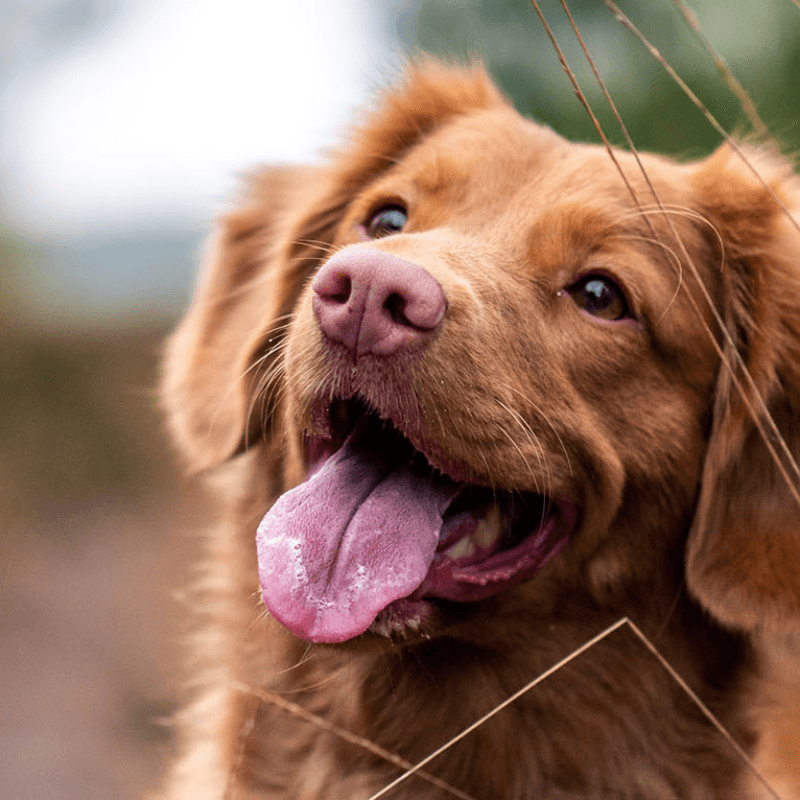
Caring for a dog is a long-term commitment, but most of what they need from us is fairly simple: good food, exercise, veterinary care, somewhere safe to live and plenty of opportunities to do the things dogs enjoy doing.
Every dog is different. A young Kelpie is probably going to have very different needs from a ten-year-old Greyhound, and those needs will change throughout their life.
Getting to know your own dog is a big part of caring for them well.
Feeding your dog
A good diet helps keep your dog healthy and gives them the energy they need for everyday life.
Choose a complete and balanced dog food that's appropriate for your dog's age and life stage. Puppies have different nutritional requirements from adult dogs, and some dogs may need a particular diet because of a health condition.
How much you feed matters too. Feeding guides on dog food are a useful starting point, but the right amount will depend on your dog's size, activity level, age and individual metabolism.
Treats count towards their daily intake as well. They're great for training and the occasional bit of bribery, but they can add up surprisingly quickly.
Your dog should always have access to clean, fresh water.
If you're unsure what to feed, your dog's weight is changing unexpectedly or you're considering a major change to their diet, have a chat with your vet.
Exercise
Most dogs need exercise every day, although how much varies enormously.
Walks give dogs a chance to move their bodies, explore their surroundings and spend time with you. They also provide something dogs particularly enjoy: sniffing.
You don't need to march your dog around the neighbourhood as quickly as possible. Giving them time to stop and investigate interesting smells can make a walk much more enjoyable and mentally stimulating.
Some dogs will happily walk or run for hours. Others prefer shorter outings. Age, breed, fitness, health and even the weather should all influence what you do.
Exercise can include walks, swimming, playing fetch, exploring somewhere new or simply having a good play at home.
Dog parks aren't necessary for every dog. Some love them, while others find being surrounded by unfamiliar off-lead dogs stressful. Choose activities your dog actually enjoys and feels comfortable doing.
Don't forget about their brain
Physical exercise is only part of keeping a dog occupied.
Dogs also benefit from opportunities to think, sniff, search, chew, play and solve problems.
Enrichment doesn't have to be complicated or expensive. You could scatter some of their food around the garden and let them sniff it out, use a puzzle feeder, practise a few training exercises or give them an appropriate chew.
Even changing your normal walking route gives your dog new smells and surroundings to investigate.
Pay attention to the activities your dog enjoys. Some dogs will chase a ball until your arm gives up. Others couldn't care less about a tennis ball but will spend twenty minutes investigating one particularly fascinating patch of grass.
Training your dog
Training makes everyday life easier and helps you communicate with your dog.
Start with useful skills such as coming when called, walking on a lead, settling calmly and responding to simple cues.
Reward-based training is a good way to teach these behaviours. When your dog does something you want to encourage, reward them with something they value. Food works very well for many dogs, although toys, play and praise can also be rewarding.
Keep training sessions short, particularly when you're teaching something new.
If your dog is struggling with a behaviour, try to work out why it's happening rather than simply labelling them as naughty. Barking, chewing, digging and jumping can all happen for different reasons.
For ongoing or concerning behaviour, ask your vet or a suitably qualified reward-based dog trainer for help.
Regular veterinary care
Your dog will need veterinary care throughout their life.
Preventative healthcare can include vaccinations, parasite prevention, dental care and regular health checks. Your vet can recommend a schedule based on your dog's age, health and lifestyle.
It's also useful to learn what's normal for your dog.
You see them every day, so you're often the first person who will notice when something changes. A change in appetite, drinking, toileting, movement, breathing, behaviour or energy levels can sometimes be an early sign that something isn't right.
If you're worried about your dog's health, contact your vet. You don't need to wait until you're certain something is wrong.
Fleas, worms and other parasites
Parasite prevention is another routine part of caring for a dog.
Depending on the product and where you live or travel, this may include protection against fleas, intestinal worms, heartworm, ticks and other parasites.
There are lots of products available and they don't all protect against the same things or last for the same amount of time.
Ask your vet which parasite prevention is appropriate for your dog and make a note of when each treatment is due. Setting a recurring reminder on your phone can save a lot of trying to remember when you last gave that tablet.
Grooming
How much grooming a dog needs depends heavily on their coat.
Some dogs only need occasional brushing, while long-haired or continuously growing coats can require frequent brushing and professional grooming.
Regular grooming helps prevent uncomfortable matting and gives you an opportunity to check your dog's skin and coat for anything unusual.
Nails also need attention. If they aren't being worn down naturally, they'll need to be trimmed.
It's worth getting dogs comfortable with being gently handled around their paws, ears, mouth and body. Take it slowly and use rewards. It can make grooming, health checks and vet visits much easier later on.
Looking after their teeth
Dental health is easy to overlook until there's a problem.
Dogs can develop plaque, tartar and gum disease, and dental problems can become painful.
Regular tooth brushing with dog-safe toothpaste is one of the best things you can do at home for your dog's teeth. If your dog has never had their teeth brushed before, introduce it gradually rather than expecting them to accept a toothbrush immediately.
Your vet can check your dog's teeth during routine appointments and let you know if they need further dental care.
Give your dog somewhere safe to rest
Dogs sleep a lot and need somewhere they can properly switch off.
Give your dog a comfortable place to rest where they won't constantly be disturbed. This is particularly important in households with children or lots of activity.
Some dogs want to be right in the middle of family life. Others like having somewhere quiet they can retreat to when they've had enough.
Let sleeping dogs sleep and teach children to give a dog space when they're resting or eating.
Your dog should also be protected from extreme weather and always have access to appropriate shelter and fresh water.
Spend time together
Dogs are social animals and companionship is an important part of their lives.
That doesn't mean you need to entertain your dog every waking minute. Most dogs need plenty of downtime too.
Include them in everyday life where you can. Go for walks together, play a game, practise some training or let them hang out nearby while you're at home.
Over time you'll get to know what your dog enjoys, what makes them uncomfortable and how they communicate with you.
That relationship makes caring for them much easier.
Keep their details up to date
Your dog's microchip details need to stay current.
If you move house or change your phone number, remember to update the details attached to their microchip. A microchip is much less useful when it leads to a phone number nobody uses anymore.
Dogs in Victoria also need to be registered with their local council, and registration needs to be renewed each year.
An identification tag with your current phone number is another simple way to help someone contact you quickly if your dog gets lost.
Caring for your dog as they get older
Your dog's needs will change throughout their life.
A puppy needs plenty of supervision, socialisation and training. An adult dog might be at their most active. As your dog gets older, you may notice them slowing down or needing a little more help with things they once found easy.
Exercise may need to become gentler. Their diet might change. They may need more frequent veterinary checks or treatment for age-related conditions.
Small adjustments can make a big difference for an older dog, whether that's a softer bed, shorter walks or making slippery floors easier to navigate.
Get to know the dog in front of you
There are plenty of general rules about looking after dogs, but good care also comes down to paying attention to the individual dog you're living with.
Learn what they enjoy. Notice when something changes. Keep up with their preventative healthcare and give them appropriate exercise, enrichment and training.
Most importantly, give them the chance to feel safe and comfortable as part of your family.
They'll probably find plenty of ways to let you know what they think you should be doing too.
Ready to meet your new best mate?
Browse the dogs currently looking for homes and find the one who's right for you.